From Open Surgery to Endoscopic Surgery: How Minimally Invasive Techniques Like ESD and POEM Are Changing Treatment
Written by Dr. Vikram Singh, Consultant Laparoscopic, Laser & General Surgeon, Sir Ganga Ram Hospital, New Delhi
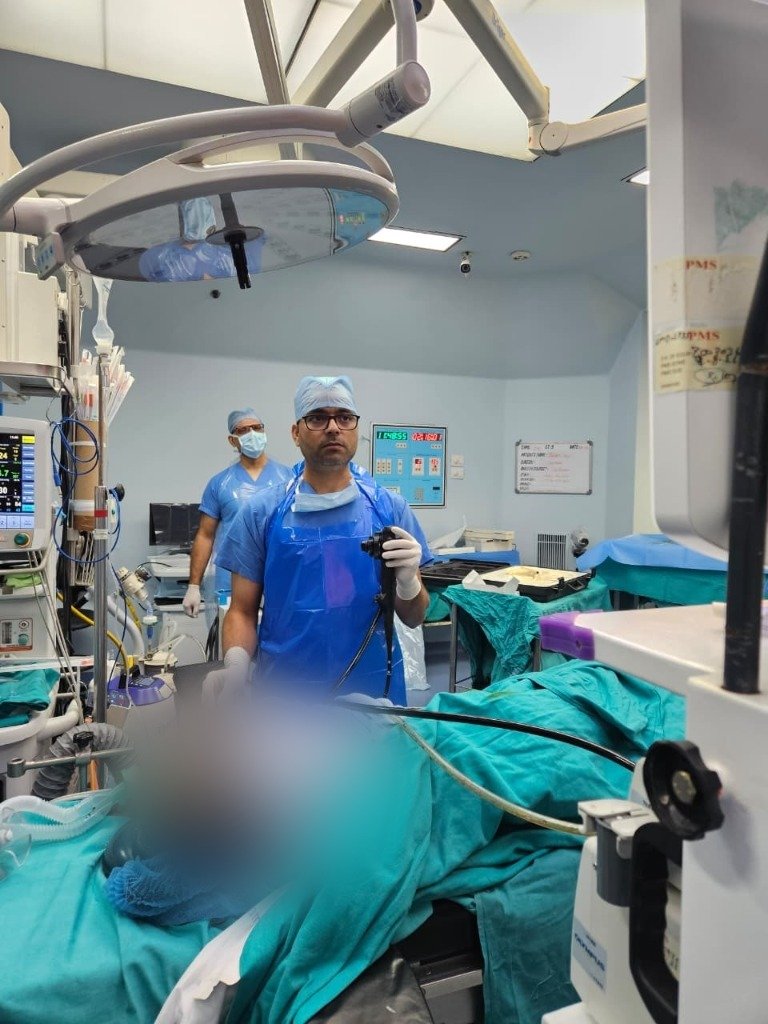
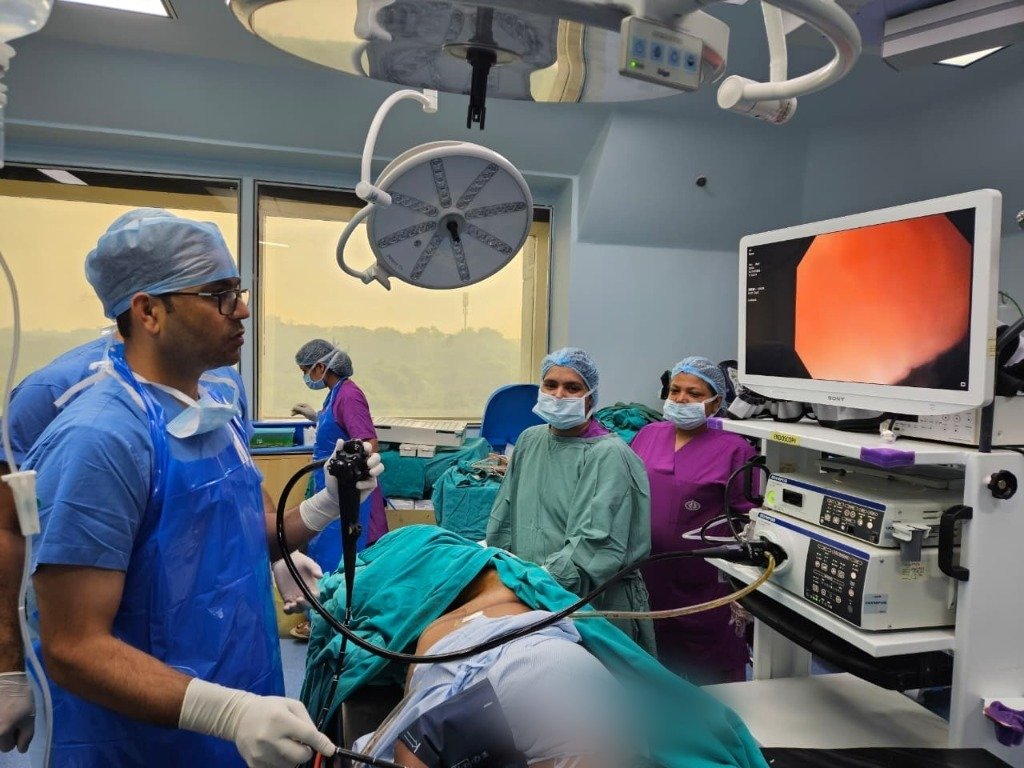
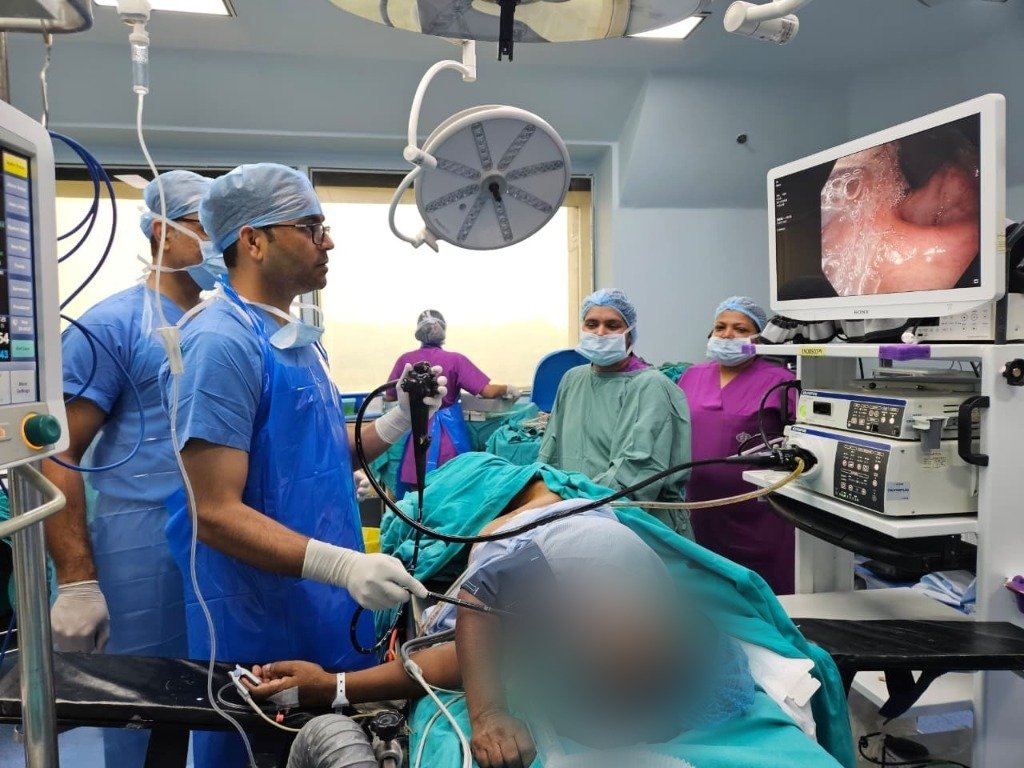
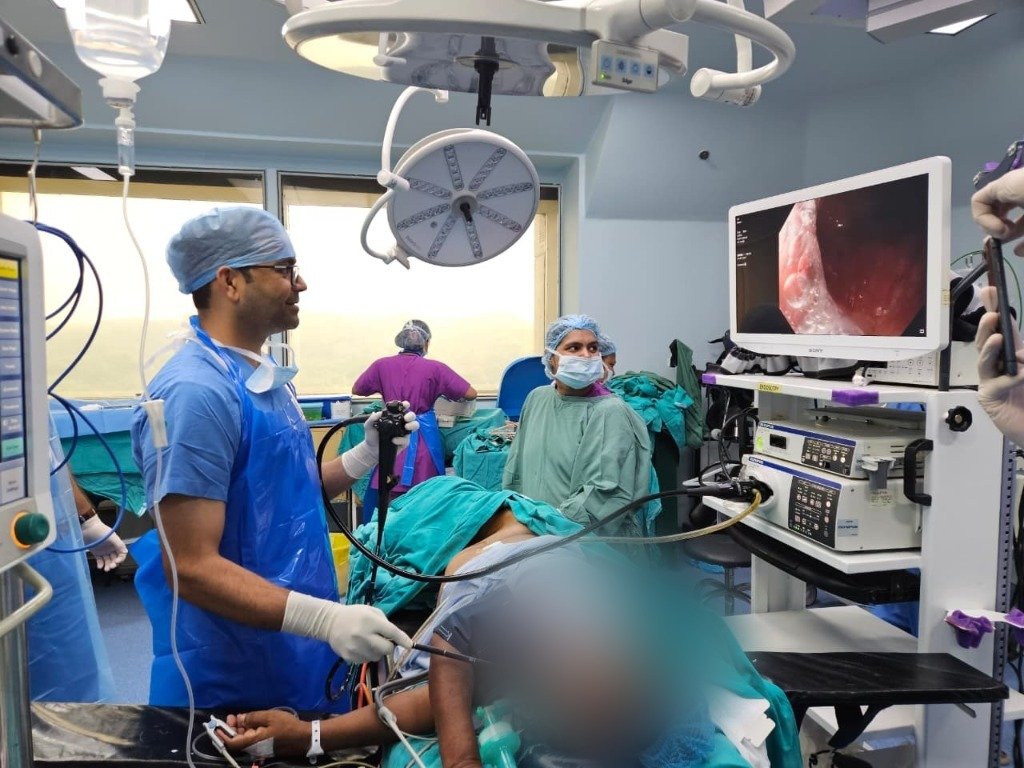
Modern surgery is moving towards treating disease with smaller incisions, less tissue disruption and, in selected cases, no external incisions at all. Techniques such as endoscopic submucosal dissection (ESD) and peroral endoscopic myotomy (POEM) allow specialists to treat selected gastrointestinal conditions through the natural openings of the body. However, the right approach depends on the disease, its stage and the patient's overall health.
Key Takeaways
-
Minimally invasive surgery includes laparoscopic, robotic and advanced endoscopic procedures.
-
ESD can remove selected early gastrointestinal cancers and precancerous lesions without conventional abdominal surgery.
-
POEM treats achalasia by relaxing the lower oesophageal sphincter through an endoscopic approach.
-
NOTES aims to perform surgery through natural body openings, but conventional NOTES procedures are not yet routine clinical practice.
-
Open surgery remains essential for many complex, advanced and emergency conditions.
What Is Minimally Invasive Surgery?
Minimally invasive surgery refers to procedures designed to treat disease while reducing unnecessary injury to surrounding tissues. Depending on the condition, this may involve small abdominal incisions, robotic instruments or flexible endoscopes introduced through natural body openings.
Traditional open surgery generally requires a larger incision to access the affected organ. Laparoscopic surgery uses small incisions and a camera, while robotic surgery uses computer-assisted instruments controlled by a surgeon.
Advanced therapeutic endoscopy takes this concept further. Selected gastrointestinal conditions can be treated from within the digestive tract, sometimes without any external surgical incision.
The objective is not simply to make an operation smaller. It is to achieve appropriate disease control while minimising treatment-related complications and supporting recovery.
What Is Endoscopic Submucosal Dissection (ESD)?
Endoscopic submucosal dissection (ESD) is an advanced endoscopic technique used to remove selected superficial gastrointestinal tumours and early cancers in one piece, without conventional surgical removal of the affected organ.
It is particularly useful for carefully selected lesions in the oesophagus, stomach and colorectum.
During ESD, a flexible endoscope is introduced through the mouth or anus, depending on the location of the lesion. The abnormal area is identified, its margins are marked, and fluid is injected beneath it to lift the lesion away from the deeper muscle layer.
Specialised endoscopic knives are then used to dissect the tissue carefully from the underlying layers.
The removed specimen is sent for histopathological examination to determine the depth of invasion, completeness of removal and other cancer-related features.
When Is ESD Used?
ESD may be considered for:
- • Selected early gastric cancers.
- • Superficial oesophageal neoplastic lesions.
- • Large or complex colorectal lesions.
- • Selected rectal lesions with suspected superficial submucosal invasion.
- • Lesions that cannot be adequately removed using conventional snare-based techniques.
An important advantage is the possibility of obtaining an intact specimen for detailed pathological assessment.
However, ESD is not appropriate for every gastrointestinal cancer. If pathology shows deeper invasion, lymphovascular involvement or other high-risk features, additional surgery or oncological treatment may be necessary.
What Is POEM for Achalasia?
Peroral endoscopic myotomy (POEM) is an advanced endoscopic procedure used to treat achalasia, a disorder in which the lower oesophageal sphincter fails to relax properly, making it difficult for food and liquids to enter the stomach.
POEM works by cutting selected muscle fibres of the oesophagus and lower oesophageal sphincter through an endoscope introduced via the mouth. It does not require an external abdominal incision.
Medical disclaimer:
This article is for patient education and does not replace an individualized medical consultation. Please consult a qualified surgical specialist for diagnosis and management recommendations. Dr. Vikram Singh, Consultant Laparoscopic & General Surgeon, Sir Ganga Ram Hospital, New Delhi.